A clean home is a happy home, and the choice of vacuum cleaner plays a crucial role in achieving this. Comparing a central vacuum vs. an upright vacuum is vital to determine which system best suits your household’s needs for cleanliness and convenience.
This guide will offer a comprehensive comparison between two popular contenders: central vacuum systems and upright portable vacuums. While upright vacuums have been a staple in households for decades, known for their convenience and portability, central vacuum systems are emerging as a game-changer, promising unparalleled power and ease of use.

Table of Contents
- What Is an Upright Vacuum?
- What Is a Central Vacuum?
- Comparing a Central Vacuum vs an Upright Vacuum
- FAQs
What Is an Upright Vacuum?
Upright vacuums have been a staple in household cleaning for decades, known for their convenience and ease of use. An upright vacuum’s main body is upright and includes a motor, suction head, and dust container in one unit.
These vacuums are portable, making them ideal for quick cleanups and smaller spaces. Their straightforward design and consistent performance have earned them a trusted place in many homes.
What Is a Central Vacuum?
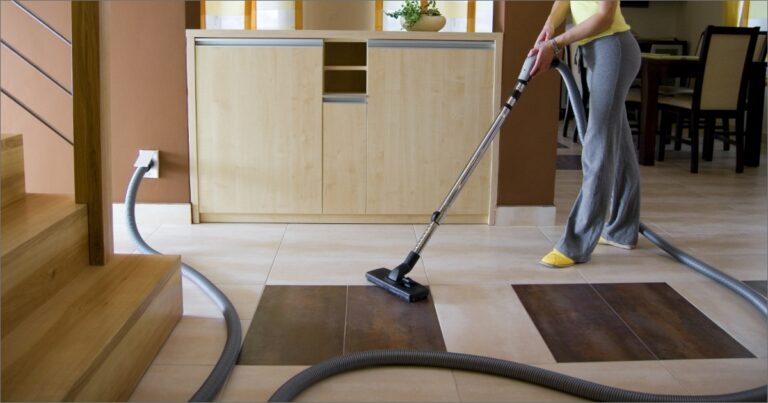
A central vacuum system is a powerful and convenient cleaning solution integrated into the structure of a home. What is a central vacuum system? It consists of a power unit typically located in a garage or basement, connected to a series of in-wall pipes and vacuum inlets throughout the house. This setup provides superior suction power and makes cleaning easier by eliminating the need to carry a heavy unit from room to room. The variety of power units available ensures there is a system suited to every home’s needs.

Examining a Central Vacuum vs. an Upright Vacuum
When you are looking to buy a vacuum, there are a few key aspects to keep in mind. From cleaning efficiency to impact on air quality, let’s examine four factors that can influence your decision.
Cleaning Efficiency
Cleaning efficiency is a crucial factor when evaluating central vacuums vs. upright vacuums. Central vacuum systems are known for their superior suction power, thanks to the powerful motor located away from the cleaning area. This allows for deeper cleaning of carpets and hard-to-reach areas.
Alternatively, upright vacuums are easier to maneuver around furniture and tight spaces, though they may struggle with maintaining consistent suction power. The ability of central vacuums to maintain high suction power regardless of distance makes them ideal for thorough cleaning. For more options on power units, check out the CentralVac Power Units page.
Ease of Use
Understanding how a central vacuum system works and how an upright vacuum works can help you decide which is easier to use. Central vacuum systems require installation, but once set up, they offer unmatched convenience. Users only need to carry a lightweight hose and attach it to inlets located around the house. This setup eliminates the need to carry a heavy unit, reduces noise during operation, and allows for easier access to hard-to-reach areas. However, central vacuum systems require professional installation and have a higher initial cost.
On the other hand, upright vacuums are more straightforward to start using since they are plug-and-play. They are convenient for quick clean-ups and generally have a lower cost. Despite their ease of use, upright vacuums can be heavy and hard to maneuver, and they are often noisier during operation.
Cost Effectiveness
Several factors come into play when comparing central vacuums vs. upright vacuums in terms of cost-effectiveness. Central vacuum systems typically have a higher initial installation cost due to the need for professional setup and the price of the unit itself. However, their durability and lower maintenance costs can make them more economical in the long run.
Upright vacuums are generally more affordable upfront and easier to replace, but they often require more frequent maintenance and have shorter lifespans. The range of power units available for central vacuums can also offer cost flexibility depending on your needs.
Impact on Indoor Air Quality
Using a central vacuum system can greatly improve the air quality within your home. These systems expel dust and allergens outside the living space, unlike upright vacuums, which can release particles back into the air. This reduction in airborne irritants makes central vacuums an ideal choice for households with allergy sufferers. The superior filtration and efficient removal of contaminants make a noticeable difference in maintaining a healthier indoor environment.

FAQs About Central Vacuum Systems
Curious about the differences between central vacuum and upright vacuum systems? Here are some common questions to help you understand which might be better for your home.
Can a Central Vacuum System Be Installed in an Existing Home, or Is It Only for New Constructions?
A central vacuum system can be installed in both new constructions and existing homes. Retrofitting an existing home with a central vacuum system is feasible and typically involves minimal disruption, making it accessible for most homeowners.
How Do the Lifespans of Central Vacuum Systems and Upright Vacuums Compare?
Central vacuum systems generally have a longer lifespan compared to upright vacuums. With proper maintenance, central vacuum systems can last several decades, often up to 25-35 years. In contrast, upright vacuums typically need to be replaced every few years due to wear and tear.
Can a Central Vacuum System Add Value to My Home?
Yes, installing a central vacuum system can increase your home’s value. It is seen as a desirable feature by many homebuyers due to its efficiency, improved air quality, and long-term cost savings. This can make your home more appealing on the market.
Are Central Vacuum Systems Noisy?
Central vacuum systems are generally quieter than upright vacuums because the motor is located away from the living areas, typically in the basement or garage. This design significantly reduces the noise level during operation, allowing for a quieter cleaning experience.
What Maintenance Does a Central Vacuum System Require?
Regular maintenance for central vacuum systems includes emptying the collection canister and occasionally checking the hoses and inlets for blockages. Additionally, it’s important to clean or replace filters every 3-6 months to ensure optimal performance and air quality. Periodic inspections of the system components can help catch issues early and prolong the system’s lifespan. See our central vacuum maintenance guide to learn more.
Make Your Home Cleaner With CentralVac
Don’t settle for less when it comes to your home’s cleanliness. Choose a central vacuum system from CentralVac for unmatched suction power and convenience. Check out our product range and find the perfect fit for your home – make the switch to CentralVac today!