Central vacuum hoses are a crucial component of any central vacuum system, playing a significant role in the system’s overall performance. These hoses come in various types, each meeting specific needs and preferences.The primary types of central vacuum hoses include dual voltage, low voltage, and no voltage options. Each type offers different functionalities, catering to varying levels of cleaning efficiency and convenience. Selecting the appropriate hose type ensures optimal performance and longevity of your central vacuum system.

Table of Contents
- Dual Voltage Central Vacuum Hoses
- Low Voltage Central Vacuum Hoses
- No Voltage Central Vacuum Hoses
- The Hide-A-Hose System
- FAQs About Central Vacuum Hoses
Dual Voltage Central Vacuum Hoses
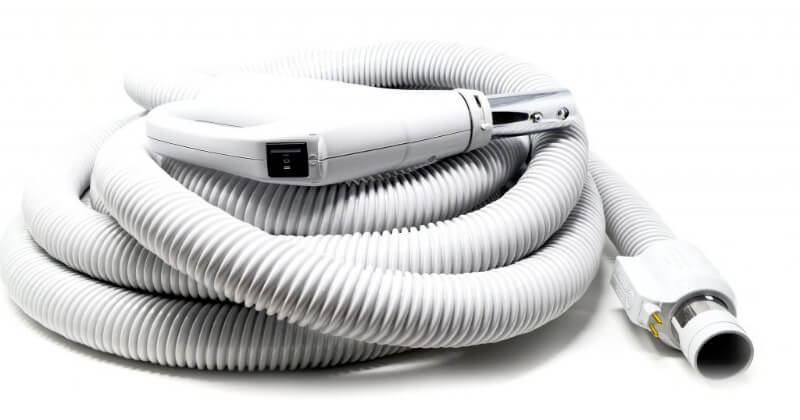
Dual voltage central vacuum hoses are a versatile option for homeowners seeking both power and control in their cleaning systems. These hoses are designed to carry both electrical power and low voltage signals, allowing you to easily switch between different cleaning attachments and control the vacuum system from the handle. This makes them particularly convenient for larger homes or spaces that require frequent adjustments during cleaning.
With a central vacuum hose that supports dual voltage, you can power motorized brush heads or other electric cleaning tools directly through the hose. This enhances cleaning efficiency and also reduces the need for multiple cords and connections. If your current hose is showing signs of wear, consider upgrading to a dual voltage central vacuum hose replacement for improved functionality and convenience.
Low Voltage Central Vacuum Hoses
Low voltage central vacuum hoses are an excellent choice for those who prioritize simplicity and ease of use in their cleaning systems. These hoses are designed to carry only low voltage signals, which are used to control the vacuum unit from the handle. This makes them lighter and more maneuverable compared to dual voltage hoses, making cleaning less of a chore.
Despite lacking the power to run electric attachments, low voltage central vacuum hoses are still highly effective for general cleaning tasks. They’re perfect for homes where lightweight and easy handling are more important than powering additional tools. For homeowners looking to replace their current hose, a low voltage option can offer the comfort and convenience they need without sacrificing performance.
No Voltage Central Vacuum Hoses
For those who want a purely suction-driven system, no voltage central vacuum hoses are the perfect choice. These hoses are designed to be as straightforward as possible, with no wiring or power capabilities, which means they’re lighter and more flexible than their low or dual voltage counterparts. This makes them ideal for quick cleanups and for those who prefer a no-frills approach to vacuuming.
Choosing a no voltage central vacuum hose offers several benefits, including lower cost and ease of maintenance. Without the need for electrical connections, these hoses are less prone to wear and tear, ensuring longevity and reliability for years to come. For anyone looking to keep their vacuuming routine simple and efficient, no voltage hoses are an excellent option.
The Hide-A-Hose System
The Hide-A-Hose retractable hose system eliminates the need for manual vacuum hose storage. With this innovative system, the hose retracts directly into the wall after each use, saving both time and effort. This design keeps living spaces clutter-free and significantly extends the life of the hose by preventing the wear and tear typically associated with traditional hose storage methods.
Unlike traditional vacuum hose systems, which require users to carry and store a bulky hose, the Hide-A-Hose system offers unmatched convenience. You only pull out the length of hose you need for the task at hand, and once you’re finished, the hose retracts automatically into the wall. This not only makes cleaning faster and easier but also enhances the overall user experience, making vacuuming less of a chore.
The Hide-A-Hose system is also highly customizable and can be adapted to fit different home layouts. It includes options like the RF Ready Grip Kit, which allows users to control the system with a wireless remote directly from the hose handle, adding another layer of convenience and comfort during use. Additionally, various accessories and kits are available to tailor the system to specific needs, whether you’re looking for garage solutions or more advanced home installations.
FAQs About Central Vacuum Hoses
If you have more questions about central vacuum hoses, we are here to help. Below, we have answered a few of the most common questions we hear.
How do you clean a central vacuum hose?
Cleaning your central vacuum hose is straightforward but essential for maintaining optimal performance. Start by detaching the hose from the system. Use a long flexible brush or run a cleaning cloth through the hose while the system is running to clear out any debris. Regular cleaning helps prevent clogs and ensures that the hose remains in good condition. For stubborn clogs, you may need to run a garden hose through it to dislodge any trapped debris.
Are central vacuum hoses universal?
While many central vacuum hoses are designed to be compatible with a wide range of systems, it’s crucial to verify compatibility with your specific model. Some systems might require proprietary hoses or special attachments, so always check your system’s requirements before purchasing.
How should I store my central vacuum hose?
To ensure longevity, store your central vacuum hose loosely coiled in a cool, dry place. Avoid sharp bends or kinks, as these can cause damage over time. Using a hose hanger can help keep the hose off the ground, reducing the risk of damage and preventing tripping hazards. Proper storage is key to maintaining the hose’s flexibility and function.
What should I do if my central vacuum hose loses suction?
If your central vacuum hose loses suction, first check for blockages by running a brush or cloth through the hose. If the suction issue persists, inspect the hose for cracks or holes, and check the system’s attachments and connections for clogs. Regular maintenance, such as emptying the dirt receptacle and cleaning or replacing filters, can also help prevent suction loss.
How long do central vacuum hoses typically last?
With proper care, central vacuum hoses can last many years. Routine cleaning, careful storage, and regular inspections for wear and tear are crucial to extending their lifespan. However, the frequency of use and environmental conditions can impact longevity. Explore options for replacing worn hoses on our CentralVac Hose Replacement page if you notice any deterioration.
Trust CentralVac For All Your Central Vacuum Hose Needs
Don’t settle for less when it comes to your home’s cleanliness. CentralVac offers top-quality central vacuum hose replacement solutions designed to meet every need. Discover the convenience and efficiency of our hoses and accessories, and take the first step toward a cleaner, more organized home.
Related Articles: Central Vacuum System Pros And Cons
Central Vacuum System Pros and Cons: Is It Right for You? 
Find out about key vacuum benefits and common concerns.
A Guide to Central Vacuum Maintenance
Learn about everything from routine check-ups to addressing common issues.
Central Vacuums vs Upright Vacuums – What’s Best for Your Home? 
Determine which system best suits your household’s needs.