A central vacuum system is only as good as what’s attached to the other end of the hose. Even the most powerful power unit won’t lift pet hair from upholstery, protect a hardwood floor, or reach a cobweb near vaulted ceilings without the right tool doing the work. If you’re outfitting a new system or wondering what’s missing from your current setup, these are the top central vacuum accessories every homeowner needs to get full value out of their investment.
Before getting into specific tools, it helps to understand how the pieces fit together. Your central vacuum’s power unit generates suction that pulls air and debris through piping hidden in your walls, and everything downstream of that, the hose, wands, and attachments, is what actually does the cleaning. For a full breakdown of that process, see how a central vacuum system works.
Jump to Section:
- A Hose Matched to Your System’s Voltage
- A Complete Central Vacuum Accessory Kit
- Attachments for Every Surface in Your Home
- Specialty Tools Homeowners Often Don’t Know They Have Access To
- Stage 5: An In-Wall PVC Clog or Motor Degradation at the Unit
- Building a Kit That Actually Fits Your Home
1. A Hose Matched to Your System’s Voltage
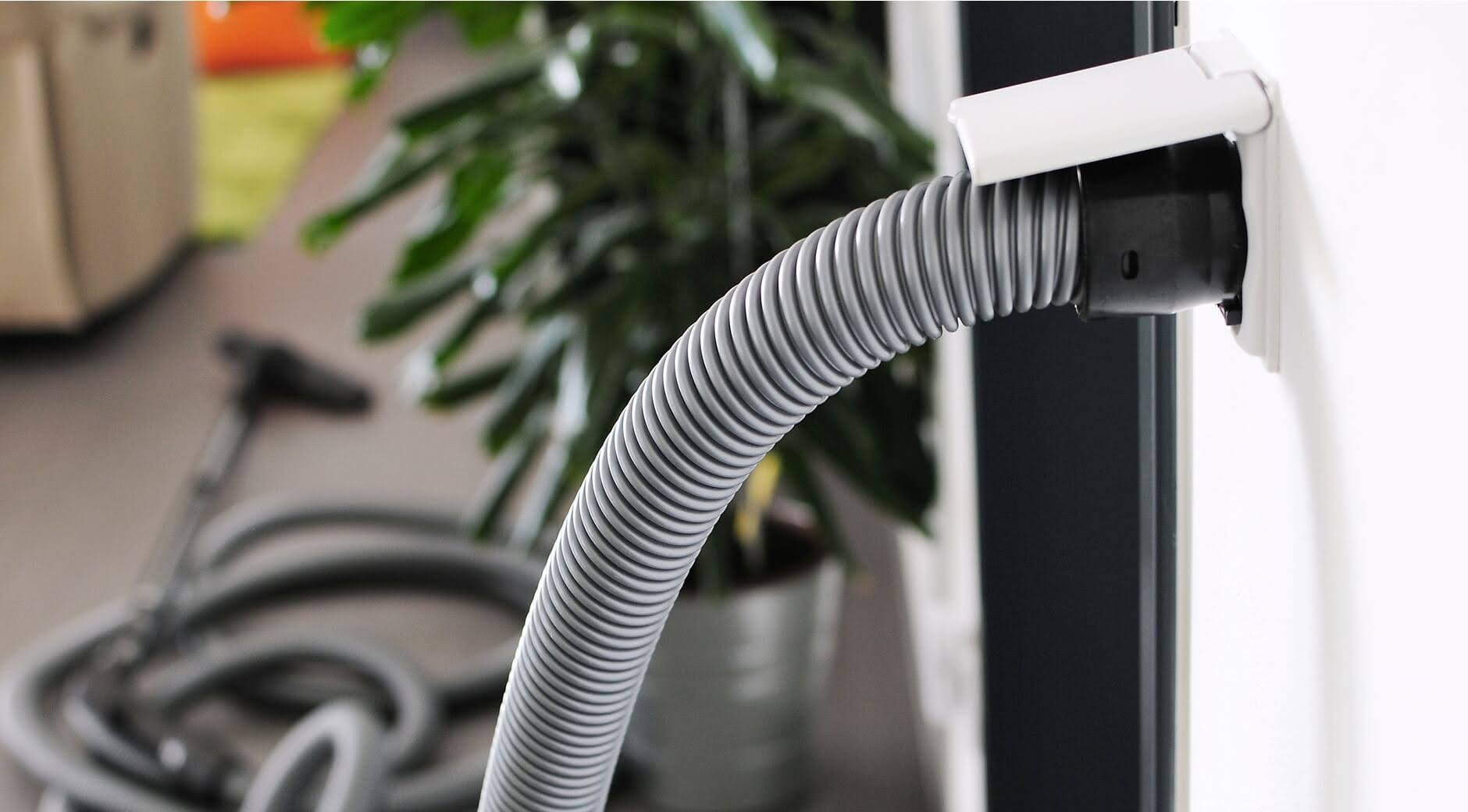
Every accessory you buy starts with the hose, and getting the voltage type right matters as much as getting the length right. Central vacuum hoses come in three main types: dual voltage, low voltage, and no voltage (non-electric).
Dual voltage hoses carry both electrical power and a low-voltage control signal, which lets you run an electric powerhead directly from the handle for deeper carpet cleaning. Low-voltage hoses carry only the control signal, so they’re lighter and easier to maneuver while still letting you switch the unit on and off without walking back to the power unit. No-voltage hoses skip electronics entirely and rely on suction alone, which keeps them simple, lightweight, and inexpensive to maintain.
Not sure which type your system uses? Our central vacuum hose guide walks through how to identify your current hose and choose a replacement, and you can browse the full range of central vacuum hoses by length and voltage before you shop for anything else.
2. A Complete Central Vacuum Accessory Kit
Buying tools one at a time adds up fast, and it’s easy to overlook something you’ll use every week. A central vacuum accessory kit bundles the hose, wands, and core attachments together so your system is ready to clean the day it arrives, instead of piecing one together part by part.
These kits are built around the same three voltage types as your hose, so the package you choose should match your system:
- The dual-voltage accessory package is built for homeowners who want to run an electric powerhead for deep carpet cleaning.
- The low-voltage accessory package offers handle-switch convenience without the added weight of a powered hose.
- The no-voltage accessory package keeps things simple and budget-friendly for straightforward, suction-only cleaning.
If you’re comparing options, browse the full lineup of central vacuum accessory packages to see exactly what’s included in each and find the kit that fits your home and cleaning habits.
3. Attachments for Every Surface in Your Home
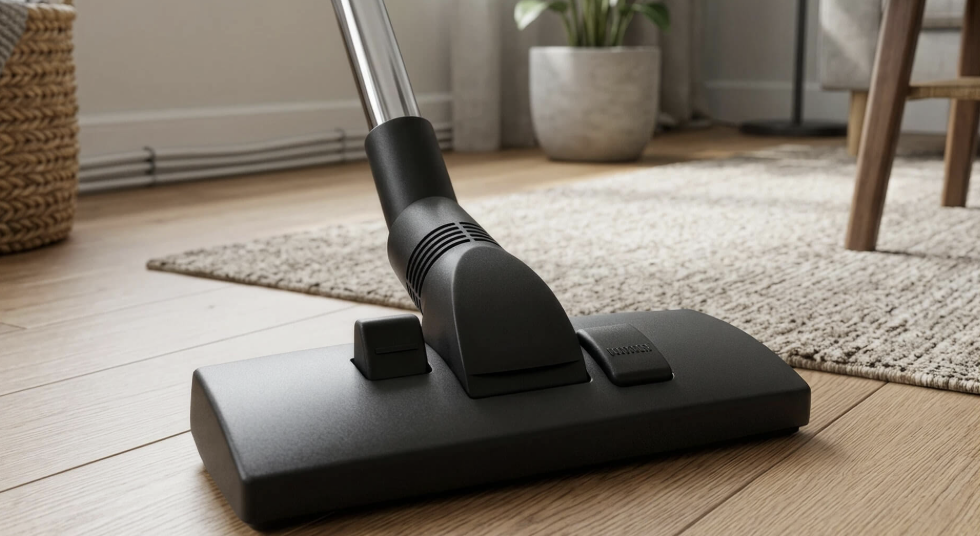
Once your hose and base kit are sorted, central vacuum tools designed for specific surfaces make the biggest difference in day-to-day cleaning. A hardwood floor tool with a swivel neck protects finished floors from scratches. An upholstery attachment with a directional slide brush cleans furniture fabric without wearing it thin. A dedicated crevice tool reaches into corners and cushions that a standard nozzle can’t touch.
These are the essential central vacuum accessories that turn a central vacuum from powerful on paper into practical for the way your household actually lives and cleans. Explore the full range of central vacuum attachments to find tools sized and shaped for your home’s specific floors, furniture, and finishes.
4. Specialty Tools Homeowners Often Don’t Know They Have Access To
Some of the most useful central vacuum add-ons aren’t the ones homeowners think to ask for. A pet grooming brush removes loose hair while giving your pet a gentle rubdown. A mini blind tool has multiple fingers that clean several slats in a single pass, rather than one at a time. Multi-piece wand sets can extend your reach by several feet, making it easy to clean ceiling fans, crown molding, and light fixtures without a ladder.
We rounded up several of these lesser-known options in 5 attachments you didn’t know we had. It’s worth a look if you assumed your current kit already covers everything a central vacuum system can do.
5. Small Accessories and Extensions That Round Out the Kit
The last must-have central vacuum accessories are the small ones that get overlooked until you need them. A hose hanger keeps a bulky hose off the floor and out of the way between uses. Maintenance cloths and cleaning solutions protect the finish on hardwood and upholstery tools over time. Central vacuum extensions, whether that means an additional wand section or a longer hose length, add the reach you need for stairwells, vaulted ceilings, and vehicles parked in the garage.
None of these costs much on their own, but together they close the gaps that a basic kit tends to leave behind. See the full selection of central vacuum accessories to round out your setup with the small extras that make cleaning easier week to week.
Building a Kit That Actually Fits Your Home
The right combination of central vacuum accessories depends on your hose’s voltage type, your home’s mix of flooring and furniture, and whether you’re mainly chasing pet hair, dust, or both. Start with a hose and kit that match your system’s voltage, add attachments for your specific surfaces, and round it out with the small extras that solve problems you didn’t know you had. A well-equipped system doesn’t just clean, it makes cleaning something you don’t have to think twice about.
FAQs
Do I need a full accessory package, or can I buy attachments individually?
Either works, but a package is usually the better starting point. It guarantees your hose, wands, and core tools are voltage-matched and compatible with each other. From there, you can add specialty attachments individually as needs come up.
How do I know whether I need dual-voltage, low-voltage, or no-voltage accessories?
It depends on whether you want to run electric powerheads through the hose. If you have a lot of carpet and want deep agitation cleaning, dual voltage is worth the investment. If you mainly have hard flooring or prefer a lighter hose, low or no-voltage options are usually a better fit.
How often should I replace central vacuum accessories?
Hoses and attachments hold up well over years of regular use, but it’s worth inspecting them every few months for cracks, worn bristles, or loose fittings, especially on tools that see daily use like floor and upholstery attachments.