For many homeowners, a central vacuum system offers an efficient, powerful alternative to traditional vacuuming. Not only do these systems provide better suction and cleaning power, but they also improve indoor air quality by venting dust and allergens outside the home.
How much does a central vacuum system cost? Let’s break down the cost of a central vacuum system and the factors that influence it, so you can decide if it’s the right investment for your needs.
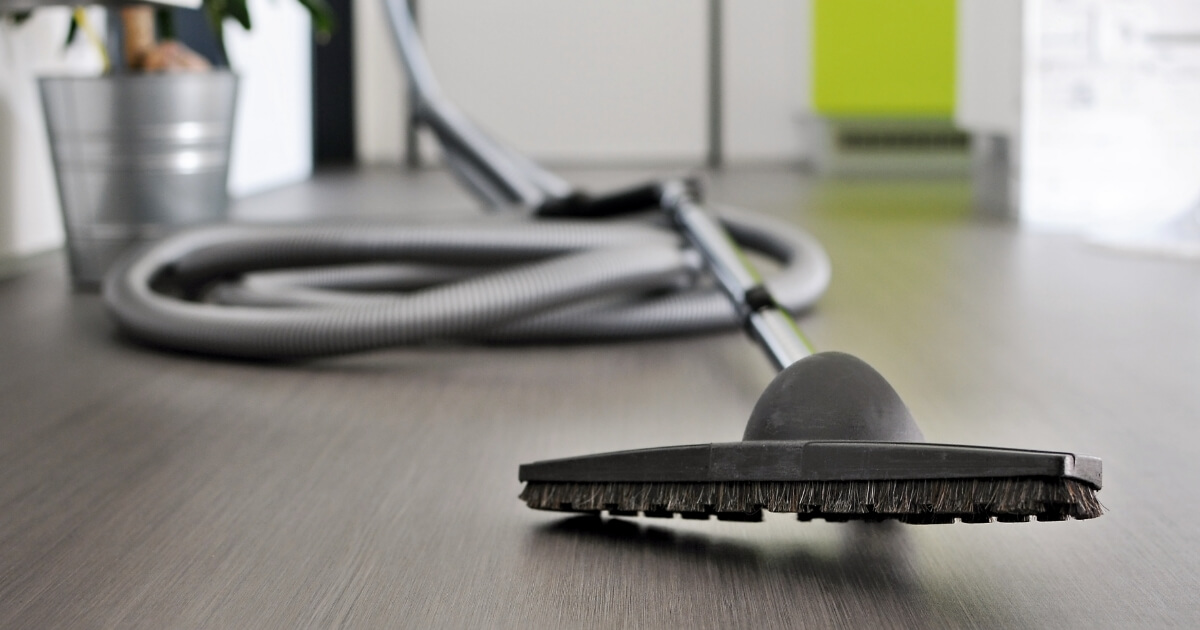
Table of Contents
- What Factors into the Cost?
- Types of Central Vacuum Systems
- How to Save Money
- Central Vacuum Ongoing Costs
- FAQs
What Factors into the Cost of a Central Vacuum System?
Central vacuum system prices can vary widely based on several key factors. Understanding these components can help you create a realistic budget and prioritize the features most important to you.
- Power Unit: The power unit is the heart of the system, responsible for generating the suction that pulls debris from each room. Units can range from $500 to $1,500, with high-capacity units offering more power but at a higher cost. Choosing the right power unit depends on the size of your home and how frequently you plan to use the system.
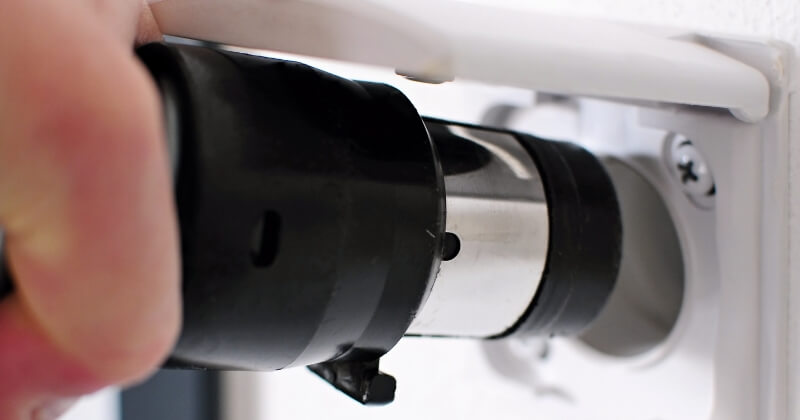
- Inlet Valves, Pipes, and Fittings: These parts carry debris from each room to the power unit, with costs generally ranging from $300 to $800. Homes with larger layouts may require more piping and additional inlets, increasing the total cost. Choosing high-quality fittings and valves can improve longevity, reducing potential repair costs down the line.
- Attachments and Accessories: While most central vacuum systems include a basic set of attachments, homeowners may want specialized tools for tasks like pet hair removal, hardwood floors, or upholstery. These kits can add anywhere from $150 to $550 to the total central vacuum system cost but can make cleaning more versatile and efficient.
- Installation Costs: Professional central vacuum installation is recommended to ensure optimal performance, with costs ranging from $500 to $2,000 depending on the home’s layout and size. Installing a system in a multi-story or older home may require more labor and specialized skills, raising the price. However, professional installation minimizes issues and helps extend the system’s lifespan.
Understanding these cost components can help you make informed decisions and set realistic expectations for your central vacuum project.
Types of Central Vacuum Systems and Cost Differences
Different types of central vacuum systems come with various features and price ranges. Choosing the right type depends on your home’s size, your cleaning needs, and your budget.
- Bagged vs. Bagless Systems: Bagged systems typically cost between $500 and $1,200 and offer a convenient, low-maintenance option for homeowners. Bagged systems help contain dust, making them a good choice for those with allergies. They also help prevent dirt and debris from damaging the central vacuum motor, reducing the risk of a costly motor replacement. Bagless systems are generally priced between $700 and $1,500.
- Retractable Hose Systems: Retractable hose systems offer maximum convenience, with hoses that automatically retract into the wall when not in use. These systems, priced from $1,500 to $2,500, eliminate the need for storage and reduce the hassle of carrying hoses around. However, the additional convenience comes at a higher upfront cost.
- Portable Central Vacuum Units: Portable units are designed for smaller spaces and are generally more affordable, with prices between $300 and $800. They are a great choice for apartments or smaller homes, but offer limited power and range and clean less efficiently when compared to permanent systems. While they provide many of the benefits of central vacuums, they may not be suitable for larger properties and won’t add resell value to your home.
Knowing the pros, cons, and costs of each type can help you choose a central vacuum system that aligns with both your budget and cleaning goals.
How to Save Money on Central Vacuum Costs
Investing in a central vacuum doesn’t have to break the bank. Here are some effective ways to save money without sacrificing quality or functionality.
- DIY Installation. If you have basic handyman skills, installing part or all of the central vacuum system yourself can reduce labor costs by $800 to $1,300. Installing piping and inlets is often manageable for DIYers, while hiring a professional for the power unit setup can ensure optimal performance. This approach can strike a balance between cost savings and professional support.
- Opt for Essential Attachments Only. While there are many specialty attachments available, sticking to a basic kit is often sufficient for general cleaning. Basic attachment kits cover most household needs and can save you $100 to $400 compared to more elaborate kits. You can always add attachments over time if you find you need additional tools.
- Look for Sales or Package Deals. Many central vacuum retailers, including CentralVac, offer bundle deals that include the power unit, basic attachments, and installation materials at a discounted rate. Taking advantage of seasonal sales or package promotions can save you hundreds on your central vac cost.
These strategies can make the investment in a central vacuum system more affordable while still providing you with a high-quality system that meets your needs.
Central Vacuum Ongoing Costs
In addition to the upfront purchase and central vacuum installation costs, there are a few ongoing expenses to consider with a central vacuum system. Proper maintenance ensures that your system remains efficient and lasts for years.
Filter Replacements
Most central vacuum systems require filter replacements every six months to a year to maintain optimal performance. Filters can cost between $20 and $30 depending on the brand and model, making this an affordable but essential maintenance step.
Bag Replacements (if applicable)
For bagged systems, replacing vacuum bags is an ongoing expense, with prices ranging from $3 to $6 per paper bag replacement. While bagless systems eliminate this cost, bagged systems offer the benefit of containing allergens more effectively, which can be a priority for households with allergy sufferers.
Regular Maintenance
Professional inspections and maintenance every year can help prevent major repairs and ensure the system operates at peak efficiency. These maintenance visits typically cost between $100 and $150. This proactive approach can extend the lifespan of your central vacuum system and prevent costly issues down the line.
Factoring in these expenses from the start can help you budget for a system that is both cost-effective and long-lasting.
FAQs About Central Vacuum System Costs
If you still have questions about central vacuum system costs, we can help. Below, we have answered a few of the most common questions we hear below.
Can a central vacuum system be installed in an existing home?
Yes, central vacuum systems can be installed in both new and existing homes. In existing homes, installation typically involves placing pipes through walls, attics, or crawl spaces. Professional installers are skilled at minimizing disruption, making retrofits easier than many homeowners expect.
How long does a central vacuum system last?
Central vacuum systems are built to be durable, with many lasting 20 years or more when properly maintained. Regular filter changes, professional inspections, and addressing minor repairs early can help extend the life of the system.
Does a central vacuum increase home value?
Installing a central vacuum system can potentially increase home value, as it’s often viewed as a premium feature by prospective buyers. In addition to adding convenience, a central vacuum can appeal to buyers seeking healthier indoor air quality.
Ready to Experience the Benefits of a Central Vacuum System?
Investing in a central vacuum system is an excellent way to enjoy powerful, convenient, and efficient home cleaning. Whether you’re interested in a basic system or a high-end model with all the features, CentralVac has options that fit a variety of needs and budgets
Explore CentralVac’s selection of power units and accessories, or contact us today to learn more about installation and financing options.
Related Articles
A Guide to Central Vacuum Maintenance 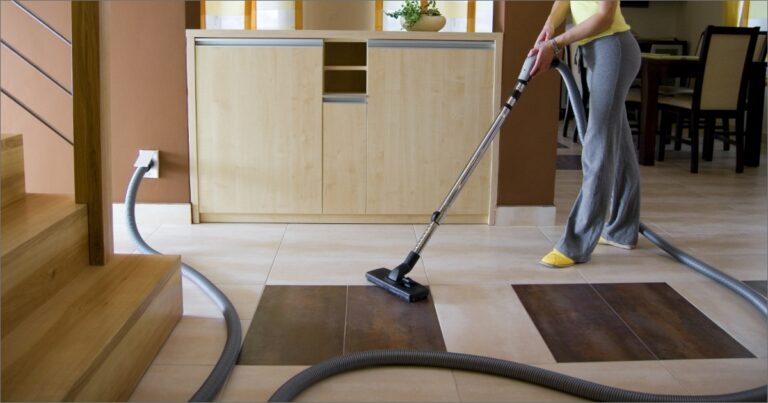
Learn about everything from routine check-ups to addressing common issues.
Central Vacuum Hose Guide: Types of Central Vacuum Hoses 
Explore different types of central vacuum hoses and their benefits.
Central Vacuum System Pros and Cons: Is It Right for You?
Find out about key vacuum benefits and common concerns.